
Child protection


“Children want to be more educated in order not to be victims on the internet and their data to be stolen..”

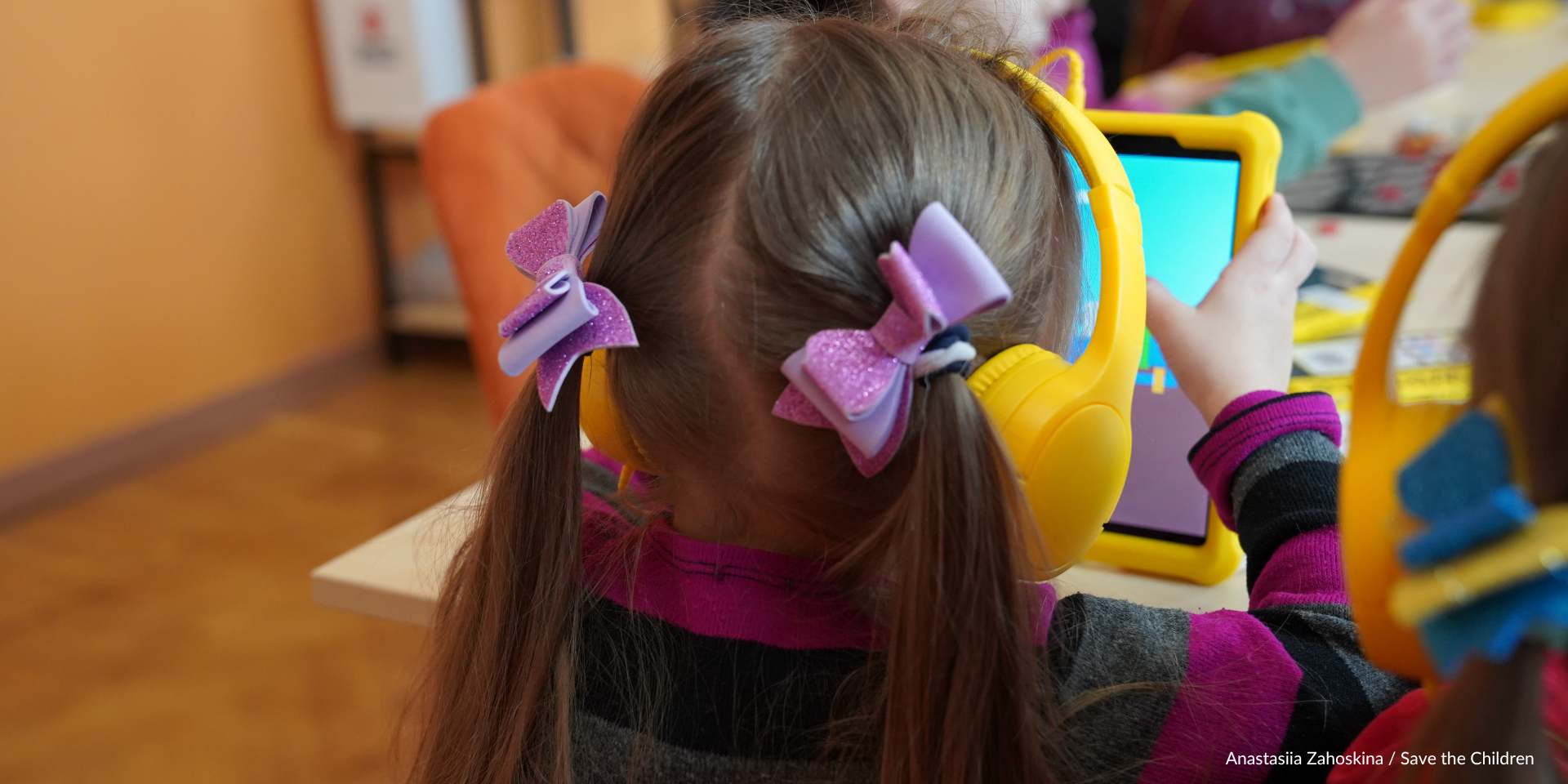
Child protection is a core priority across Europe, reflecting the region’s broader commitment to children’s rights and wellbeing. Yet, worrying realities persist. It is estimated that one in five children in Europe experiences some form of sexual abuse during childhood. The issue extends deeply into the digital realm: in 2023 alone, there were 1.3 million reports involving 3.4 million images and videos, with 59% of global child sexual abuse material hosted within EU borders.
At Save the Children, we see child protection not only as a legal obligation but as a moral imperative.
This is why we advocate for robust, child-centred policies and legislation that prevent and address abuse, neglect, and exploitation. At the same time, we provide direct support to children and families affected by violence and work to raise awareness of protection risks in both digital and physical environments.
Our work at the heart of communities

IN NUMBERS
128
projects and programmes across Europe focusing on child protection
"Children who are vulnerable in real life are even more at risk online, especially when they come from situations where many resources are lacking. They often look for things to fill those gaps...
…Without proper legal protections, these children can be taken advantage of more easily due to the lack of regulations in place. Legal frameworks are definitely one of the key issues here."
Spotlight on... Spain
“If it Happens, Don’t Pass it” Online Violence Toolkit
Objective
To raise awareness among adolescents about online violence and promote responsible and supportive behaviour as digital bystanders, with a particular focus on gender-based violence.
Key activities
Save the Children Spain developed a practical toolkit designed for schools and youth organisations to run workshops with adolescents aged 14 to 17. Titled “If it Happens, Don’t Pass it,” the toolkit provides structured guidance, activities, and educational materials to help young people understand digital violence, reflect on their own online behaviour, and take action when witnessing harmful content or conduct.
Impact
The toolkit has empowered adolescents to identify, prevent, and stand up to online violence. It has been widely used by educators and youth workers across Spain and is contributing to the development of safer, more respectful online spaces for young people.
Spotlight on... Italy
Position Paper on Comprehensive Sexuality Education
Objective
To advocate for the integration of Comprehensive Sexual Education (CSE) into Italy’s school curriculum—beginning from preschool—as a fundamental right and a key component of healthy child and adolescent development.
Key activities
In 2024, Save the Children Italy, working through the Convention on the Rights of the Child Group, led the development and publication of a national position paper underscoring the importance of CSE. Grounded in international standards from UNESCO and WHO, the paper highlights the significant gap in the Italian education system where CSE is not formally implemented. It was launched at the Sustainable Development Festival and received the backing of academic institutions and civil society organisations.
Impact
The initiative fostered cross-sectoral consensus and amplified national advocacy efforts for rights-based, inclusive education. It helped bring CSE to the forefront of educational and policy discourse in Italy, paving the way for a more structured and equitable approach to sexual education in schools.
Spotlight on... Denmark
ON Platform
Objective
To promote digital well-being and safe screen use among children and young people in Denmark by providing educational resources and opportunities for dialogue.
Key activities
In June 2024, Save the Children Denmark launched ON, a collaborative online platform offering tools, guidance, and learning materials focused on digital habits. The platform serves children, youth, parents, and professionals, encouraging safe and balanced use of digital technologies.
Impact
Since its launch, the ON platform has become a key national resource for enhancing digital literacy and well-being. It fosters safer online environments and equips stakeholders with knowledge to recognise and address digital risks and opportunities for children and young people.
Joint European work

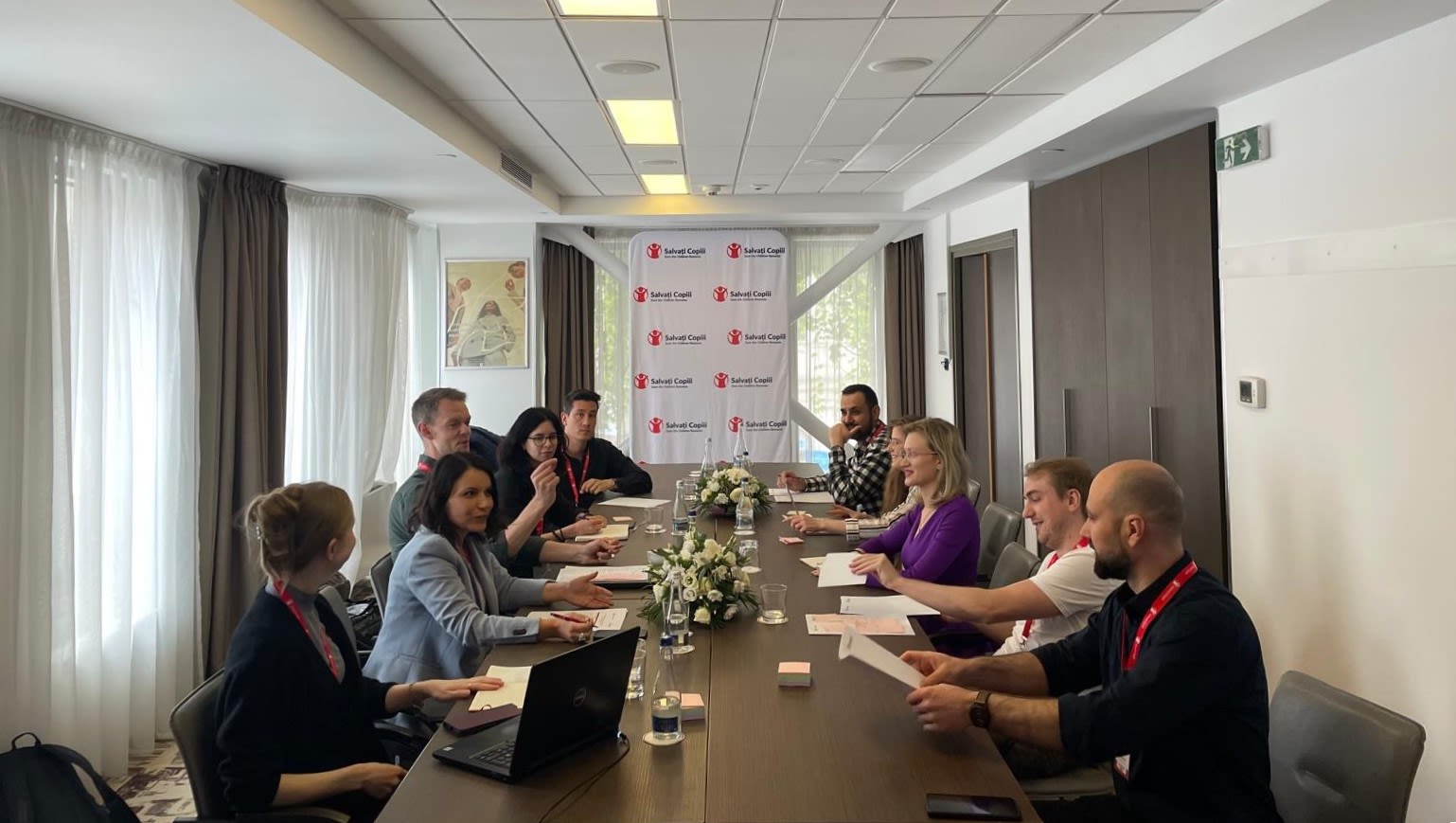
Advancing children’s right to be protected online and offline
In 2024, we welcomed the European Commission’s recommendation on developing and strengthening integrated child protection systems in the best interest of the child as an important tool to address child protection in Europe. The recommendation reflects the views of more than 1000 children that have expressed their opinions through the EU Children’s Participation Platform consultation dedicated to the topic. Save the Children engaged actively in conducting the consultation with children from 7 European countries: Denmark, Italy, Lithuania, Netherlands, Romania, Spain and Sweden.
When it comes to the digital environment, Save the Children continued to strengthen its work to protect children from online exploitation and abuse. The organization focused on two key legislative processes: the proposed EU Regulation to prevent and combat child sexual abuse (CSA Regulation) and the revision of Directive 2011/93/EU (CSA Directive). At the same time, it promoted a broader agenda on children’s rights in relation to digital technology, education, and digital literacy—seeking to empower not only children, but also teachers, caregivers, and other trusted adults to navigate the online world safely and effectively.
Driving EU-level advocacy to protect children in the digital environment

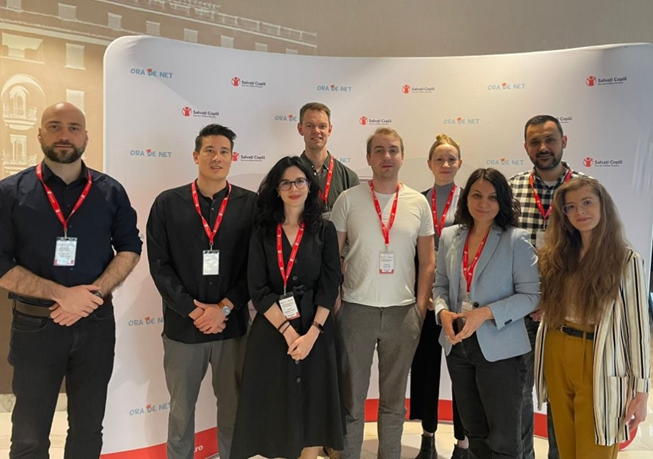
Photo: Save the Children Europe
Photo: Save the Children Europe
In cooperation with other organisations, Save the Children maintained pressure on EU institutions to ensure continued debate and momentum specifically on the CSA Regulation and Directive. This work combined targeted advocacy with public engagement, culminating in a high-level event co-hosted with the Chair of the European Parliament’s LIBE Committee in October 2024. The event convened representatives from the European Commission, European Parliament, the Hungarian EU Presidency, and civil society to discuss challenges and progress in tackling online sexual abuse of children. Save the Children colleagues presented evidence-based insights, including compelling real-world examples that generated strong, positive feedback from institutional stakeholders.
Reinforcing our commitment to child participation, a child representative from the European Child Advisory Board opened the event with a direct appeal to decision-makers: “Please, in any decision you make, keep in mind children’s best interests.”

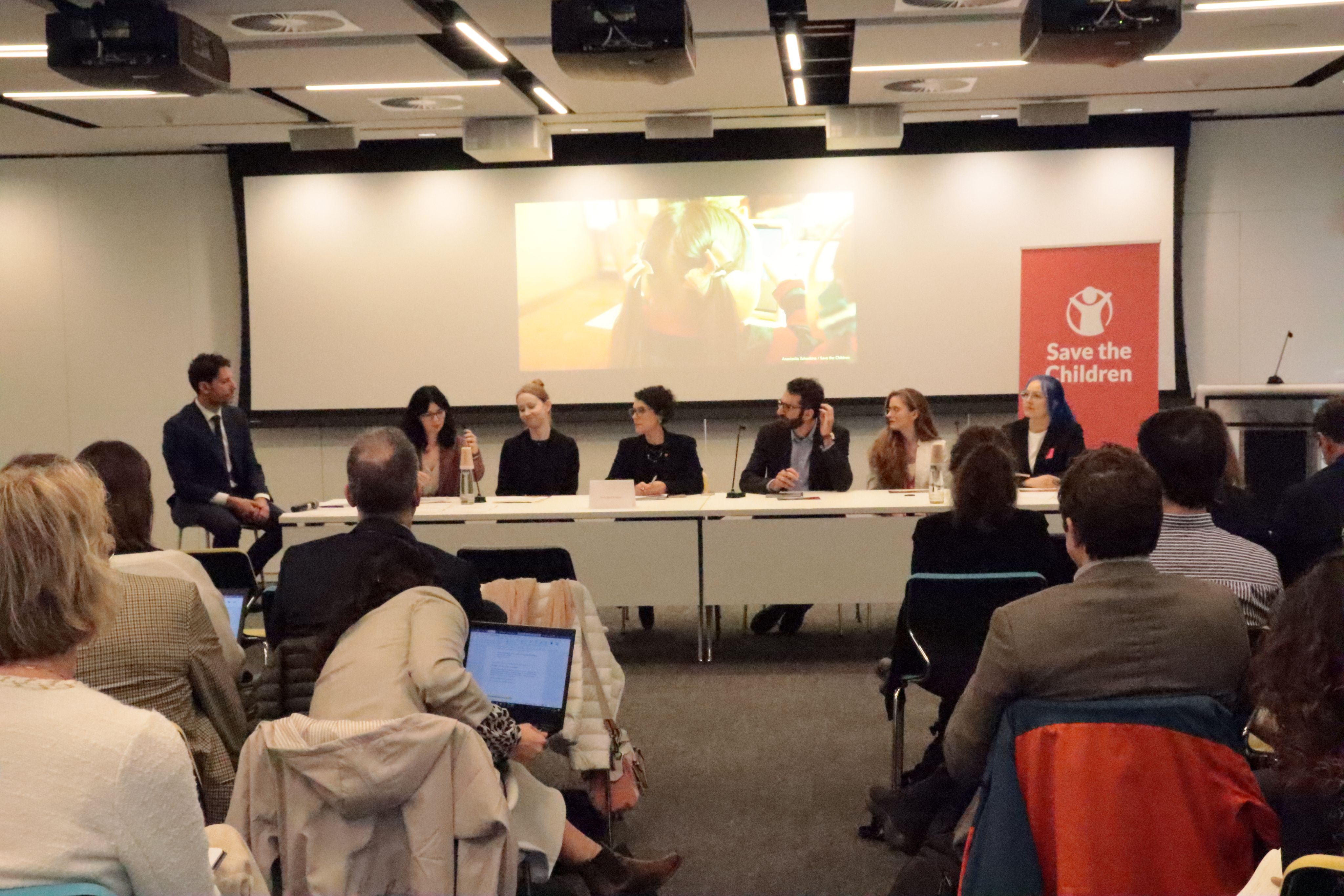
Photo: Save the Children Europe
Photo: Save the Children Europe
Raising awareness across Europe
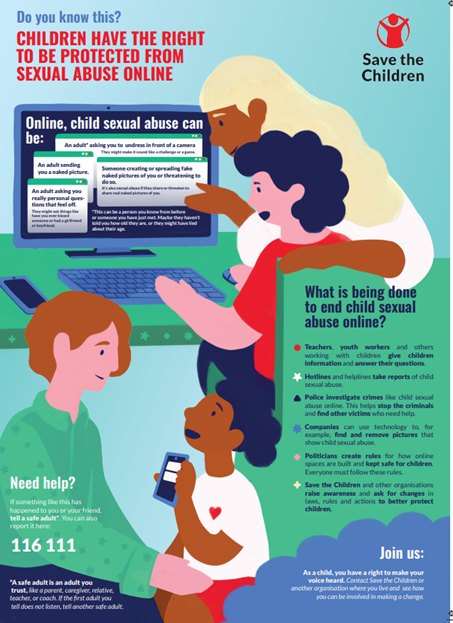
To complement these advocacy efforts, Save the Children developed and launched a child-friendly poster on online safety. It included a clear definition of online sexual abuse, outlined the roles of various actors in addressing the issue, provided national helpline numbers, and encouraged children to speak up. The poster was translated into multiple languages, adapted for national contexts, and widely shared at events and fairs across Europe, expanding its accessibility and impact.

Preview: 'What is sexual abuse online' poster
Preview: 'What is sexual abuse online' poster
Towards the EU Alliance
Save the Children also began exploring the creation of an EU Alliance on Child Rights Online to promote a more strategic, unified approach to advocacy in this space. An initial stakeholder meeting in June 2024 helped define possible formats and next steps for this collaborative initiative.
LOOKING AHEAD

📌 Our focus
Save the Children will continue its targeted advocacy at both EU and national levels, using coordinated, consistent, and joint messaging on the CSA Regulation and Directive. Our efforts are grounded in evidence from longstanding programmes preventing and protecting children from online sexual abuse. We will strengthen partnerships with EU institutions, civil society organisations (CSOs), and groups such as ECLAG, leveraging collective expertise and coordinating efforts when needed.
Programming wise, we will continue providing support to children victims or at risk of being abused, building capacity and raising awareness among children, professionals, and policymakers—including through accessible guides that simplify complex legislative frameworks.
🔑 Our advocacy priorities
Beyond the CSA files, we are expanding our focus to broader children’s rights online:
- Linking advocacy to key developments such as the AI Act, the EU-wide enquiry into social media’s impact on wellbeing, and the EU plan on cyberbullying.
- Collaborating with civil society to monitor the Digital Services Act, ensuring platforms are held accountable and children’s rights are protected.
- Coordinating with Save the Children teams across Europe to identify gaps, raise awareness, and ensure children everywhere enjoy their rights online.
📊 What’s next
- Recognising the importance of inclusive dialogue, we will organise the 2025 Child Rights Online Week from 3–7 November, bringing together experts, decision-makers, civil society, and children to discuss and shape a safer digital environment for the years ahead.
 Built with Shorthand