


Children on the move


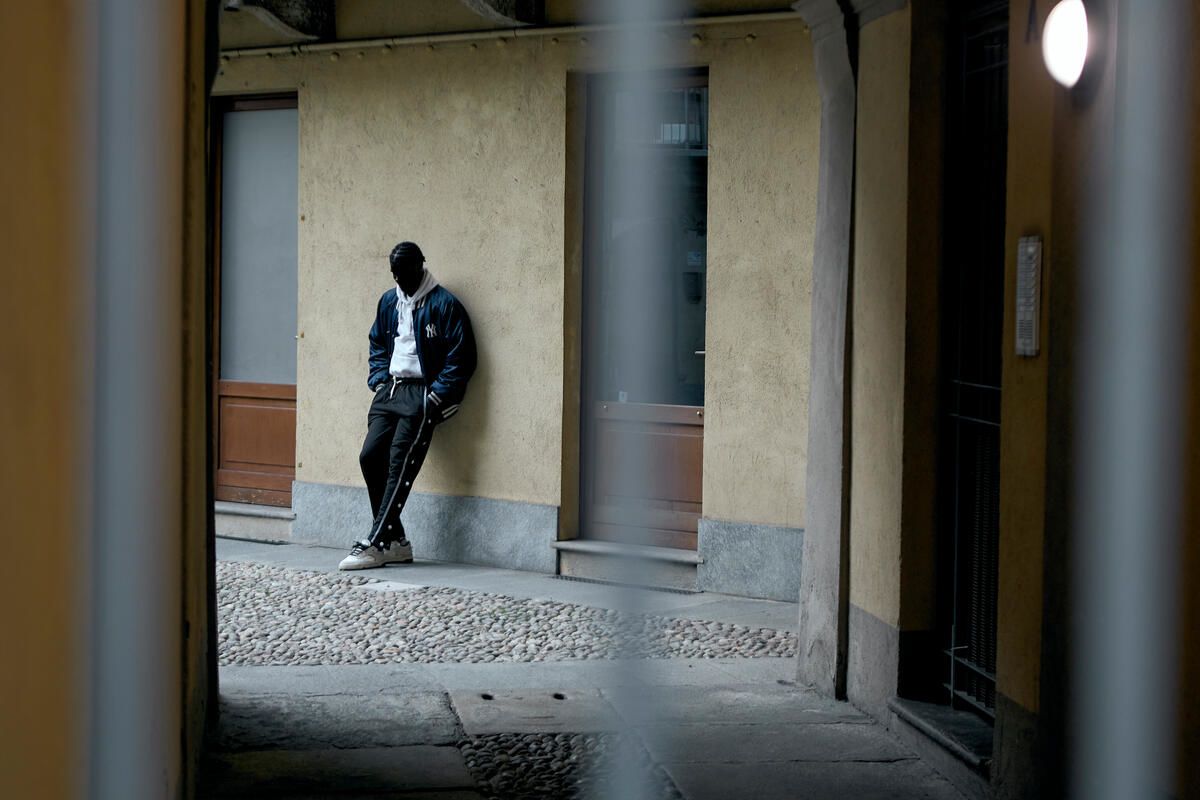
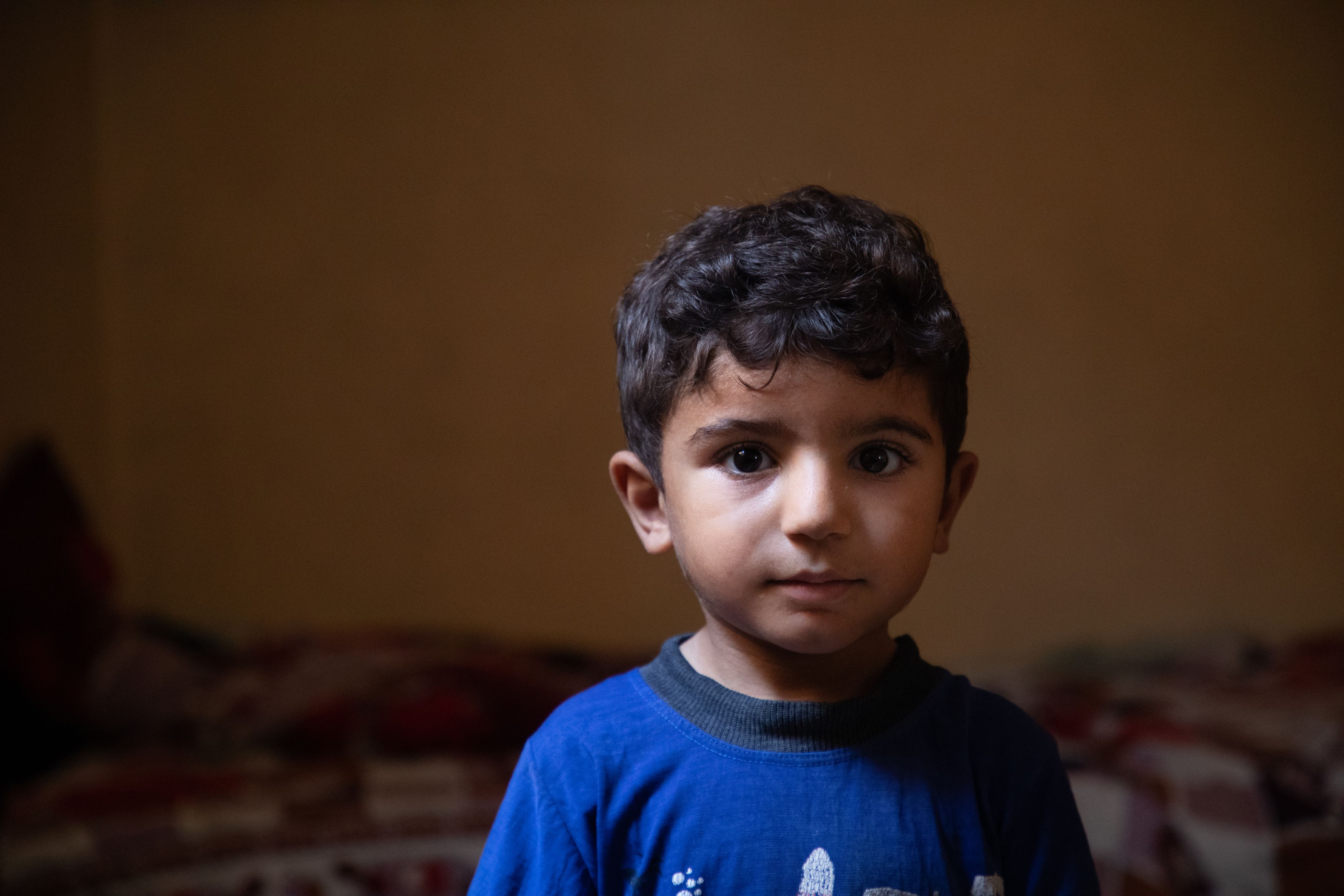
“My 4-year-old daughter and I sat in the forest for five days without food, without water, without anything.”



Children who endure severe hardship to reach Europe often face discrimination, isolation and harassment upon arrival.
Save the Children provides life-saving aid, information, mediation, and comprehensive support to families at borders, in camps, and within our centres—ensuring that children are protected, healthy, and have access to education.
In 2024, we championed a child-centred approach in the EU Pact on Asylum and Migration, working hand in hand with partners at EU, national, and local levels to protect and advance the rights of migrant and refugee children.
Our work at the heart of communities

IN NUMBERS
40
projects and programmes across Europe focusing on migration and displacement
"We didn’t leave our country for a better future, we left because of death and war."
Spotlight on... Finland
Usra Group Activity Model for Refugee Families
Objective
To promote positive parenting, strengthen family unity, and enhance the overall well-being of migrant families in particularly vulnerable situations, such as asylum seekers and undocumented families.
Key activities
Developed through participatory methods, the five-session group activity model builds on Save the Children’s Safe Families and Parenting on the Move frameworks, alongside relevant Finnish parenting approaches. Families and children involved in the Usra project actively contributed to shaping the content, especially for children’s group activities. The model was piloted in 2022–2023 with Arabic-speaking families in Finland. Supporting materials include a comprehensive guidebook covering theory, outreach strategies, and detailed working model instructions, as well as video series on positive parenting produced in Arabic and Finnish with English subtitles.
Impact
The project increased access to culturally relevant parenting support and fostered stronger family relationships. The model remains adaptable for both structured and informal settings, contributing to the long-term integration and well-being of refugee families.
Spotlight on... Sweden
Objective
To improve the integration and well-being of migrant children and their families by applying a child rights and family-based perspective to early interventions.
Key activities
Save the Children Sweden partnered with local actors in long-term collaboration to ensure migrant children feel safe and included in community activities. The organisation provided training for professionals and volunteers on safe, inclusive child engagement and conducted joint risk assessments to enhance service delivery. These efforts targeted municipal employees and civil society actors working directly with migrant children.
Impact
The project resulted in increased participation of migrant children in local services and activities, improved quality of interactions, and strengthened institutional awareness and responsiveness to children’s needs.
Spotlight on... Germany
Objective
To empower refugee children to understand and assert their rights by involving them directly in developing tools that reflect their lived experiences.
Key activities
Refugee children were introduced to their rights through workshops and subsequently contributed to designing a digital survey tool tailored to their experiences. This tool enabled children to provide feedback on their living conditions, which informed improvements in accommodations and services managed by authorities and institutions.
Impact
Children gained a meaningful voice in shaping their environments, while decision-makers benefited from direct insights into their needs. The project strengthened participatory approaches in refugee support and enhanced accountability in child-focused service provision.
Spotlight on... Greece
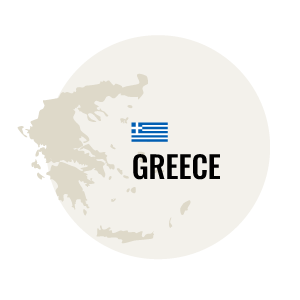
Child Rights Advocacy Network (CRAN)
Objective
To strengthen collective advocacy among organisations working with refugee and migrant children in Greece.
Key activities
Launched in 2021 by the Greek Council for Refugees (GCR) with support from Save the Children, CRAN develops shared advocacy priorities, responds to emerging policy issues, and produces joint outputs such as reports, letters, and statements based on frontline experiences. The network engages directly with national institutions and plays a central role in shaping migration-related policies affecting unaccompanied minors.
Impact
In 2024, CRAN reinforced its position as a trusted interlocutor between civil society and key ministries, facilitating informed and solution-oriented dialogue. Leveraging the collective voice of its members, CRAN successfully placed child rights on Greece’s public and political agenda. It played a key role in influencing child protection and migration policy, particularly by facilitating NGO dialogue around the Guardianship Scheme, which led to government adoption of proposed reforms. CRAN’s advocacy resulted in extended asylum documentation for unaccompanied children, reducing school disruptions, and contributed to national child rights policy by challenging children’s exclusion from oversight processes. The network also spotlighted unsafe “safe zones” for minors, coordinated a multi-NGO call for their closure, and raised awareness about discriminatory school policies affecting migrant children.
Spotlight on... North West Balkans
The Balkans Migration and Displacement Hub
Objective
To promote the visibility of children affected by migration and displacement along the Balkan Route, ensuring their needs and rights are recognised in regional and international discussions.
Key activities
The Balkans Migration and Displacement Hub developed spotlights on displaced children and adults from Syria, as well as children from Egypt arriving in Europe through the Balkans. In addition, the Hub produced two regional trend analyses on the Balkan Route, providing evidence-based insights to inform policies and interventions.
Impact
The initiative increased awareness of the specific vulnerabilities of displaced children, strengthened the evidence base for advocacy, and enhanced regional and international stakeholders’ ability to respond to emerging trends along the Balkan Route.
Joint European work

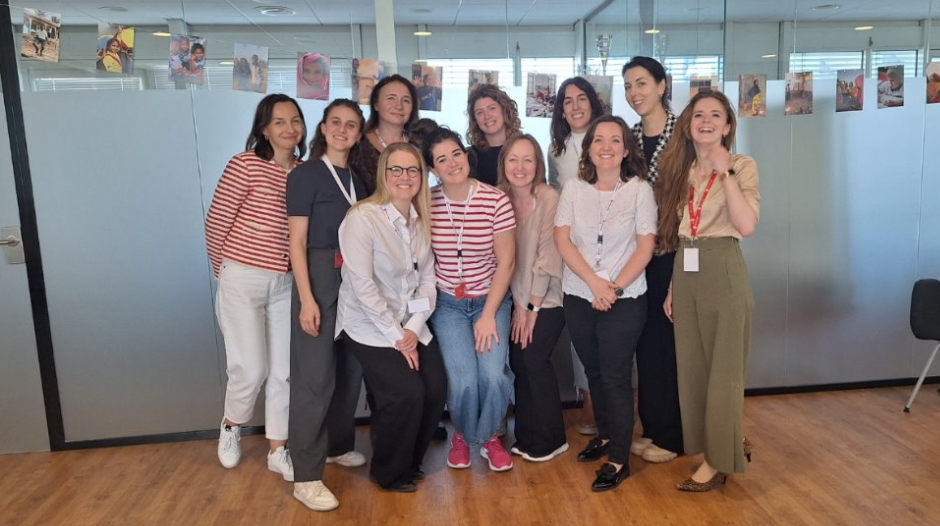
High-level advocacy in Brussels
Save the Children has been at the forefront of advocating for children’s rights across Europe, ensuring child-sensitive approaches to migration and asylum policies and practices. In 2024, we held several exchanges with the European Commission and other EU actors to influence the implementation of the EU Pact on Asylum and Migration through the Common Implementation Plan and National Implementation Plans.
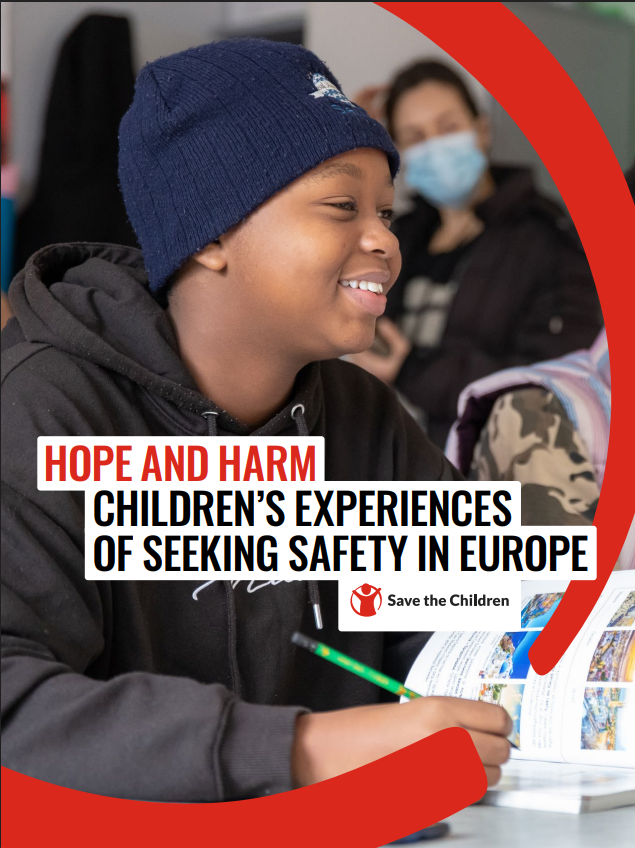
Our commitment to safeguarding children’s rights was further demonstrated via the launch of the report Hope and Harm: Children’s Experiences of Seeking Safety in Europe, which shed light on how children experience arriving in European countries, and how different policy approaches shape their wellbeing—through the voices of children themselves, as well as their caregivers and professionals.

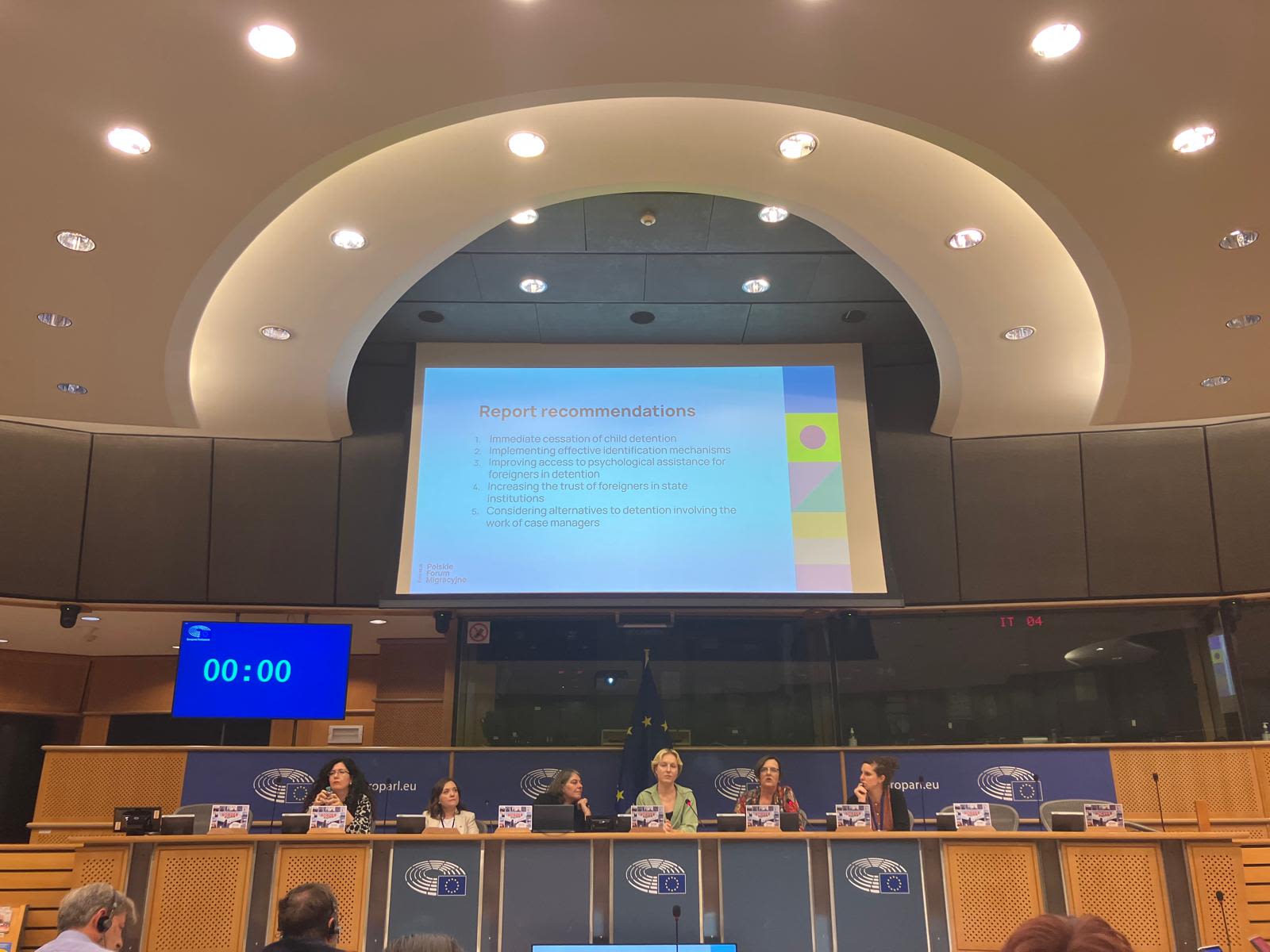
In addition, the high-level event, “Ensuring a Child Rights Compliant Implementation of the Pact on Migration and Asylum”, held in October 2024, brought together policymakers, experts, and co-legislators to address critical concerns, including:

The 'Border game'
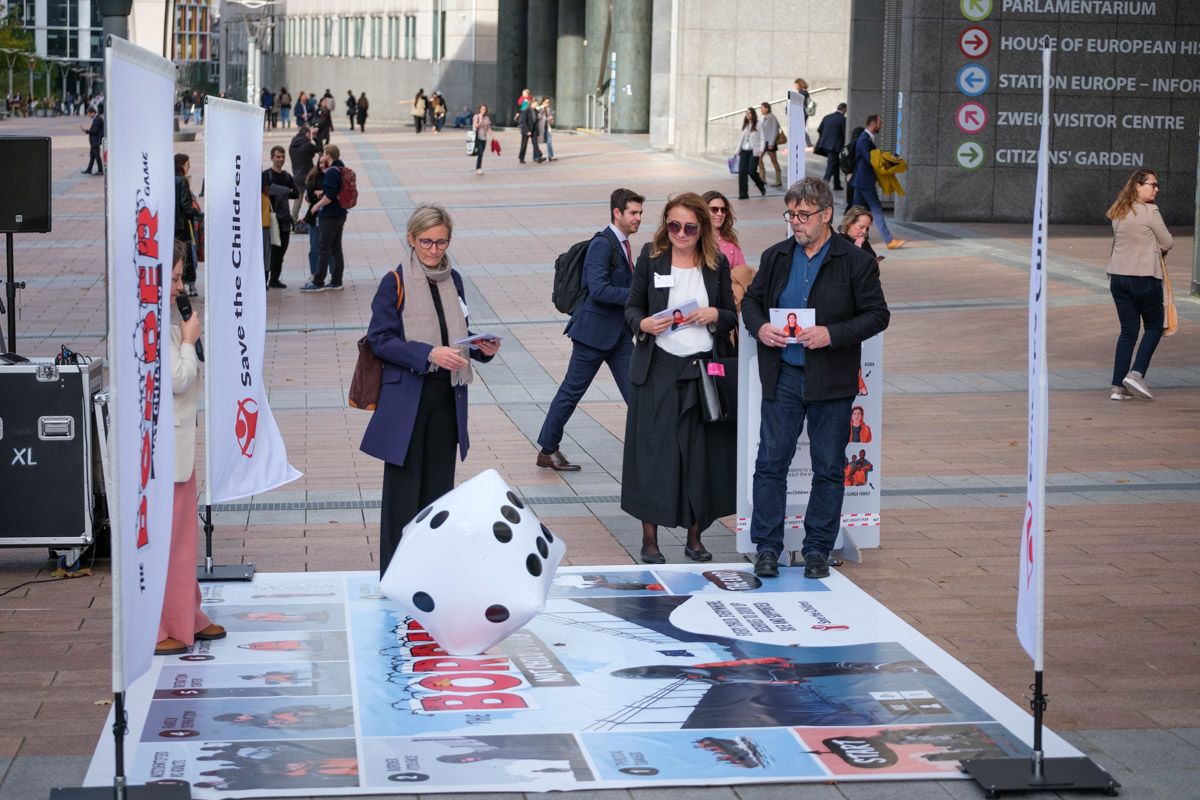
To raise awareness about the harsh realities faced by children at European borders, we launched the 'Border Game: Not A Child's Play'—a life-sized board game simulating the journey of children on the move—outside the European Parliament. The event attracted enthusiastic participation from Members of the European Parliament, European Commission officials, civil society organisations, young people, and the public, generating meaningful dialogue and engagement.

Monitoring and accountability at borders
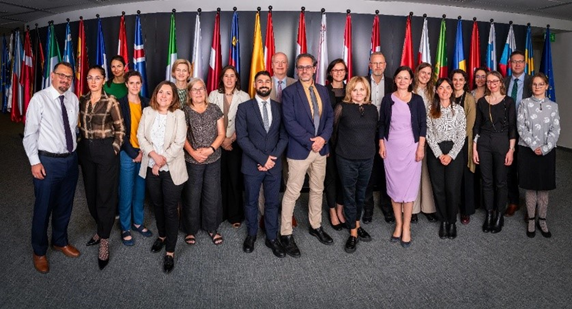
Through our involvement in the Frontex Consultative Forum on Human Rights, we have raised vital child-specific concerns with senior leadership, spotlighting the challenges faced by children at borders in Greece, Poland, Lithuania, and beyond. Our engagement extended to Consultative Forum observatory missions in Albania, North Macedonia, Greece, and Serbia, where we learned more about operations, assessed regional trends, and provided critical insights to national authorities, Frontex' staff and the Fundamental Rights Office.

Supporting the work of the EU Asylum Agency
Through the European Union Asylum Agency’s (EUAA) Consultative Forum and Vulnerability Experts Network, Save the Children played a pivotal role in discussions surrounding the implementation of the Pact towards children and vulnerable people, and the access to asylum along the Balkan route and in North Africa. Our expertise was further recognised at the EUAA Thematic Meeting on Coordination and Cooperation in the Management of Vulnerable Cases, held in Malta, where we showcased four impactful projects from Italy, Sweden, and Germany—highlighting how partnerships with child protection authorities can deliver effective, child-centred solutions.
LOOKING AHEAD

📌 Our focus
Save the Children will continue working to ensure that children on the move are protected both in law and practice across Europe. Through our network, we will continue:
- Providing information, protection services, and psychosocial support to children and families.
- The coordinated advocacy at all levels to ensure all children—regardless of migration status—receive the support they need.
🔑 Our advocacy priorities
We are actively engaged in shaping EU and national policies so children’s rights are safeguarded at every step. Current priorities include:
- Advising on a child rights compliant reform of the legislation on returns and national implementation of the EU Pact on Asylum and Migration.
- Advocating for fair, child-friendly, and accessible procedures that uphold the best interests of the child.
- Challenging policies that prioritise enforcement and security over child protection.
📊 What’s next
In 2025, we publish a new report exposing the gap between legal commitments and the harsh realities children face at EU borders. This evidence drives our forward agenda:
- Pushing policymakers to implement our actionable recommendations so children are treated first and foremost as children.
- Advocating for the next EU Multiannual Financial Framework (MFF) to prioritise child protection, inclusion, and services in both internal and external funding.
 Built with Shorthand