50 years ago today
The earthquake that brought Save the Children together
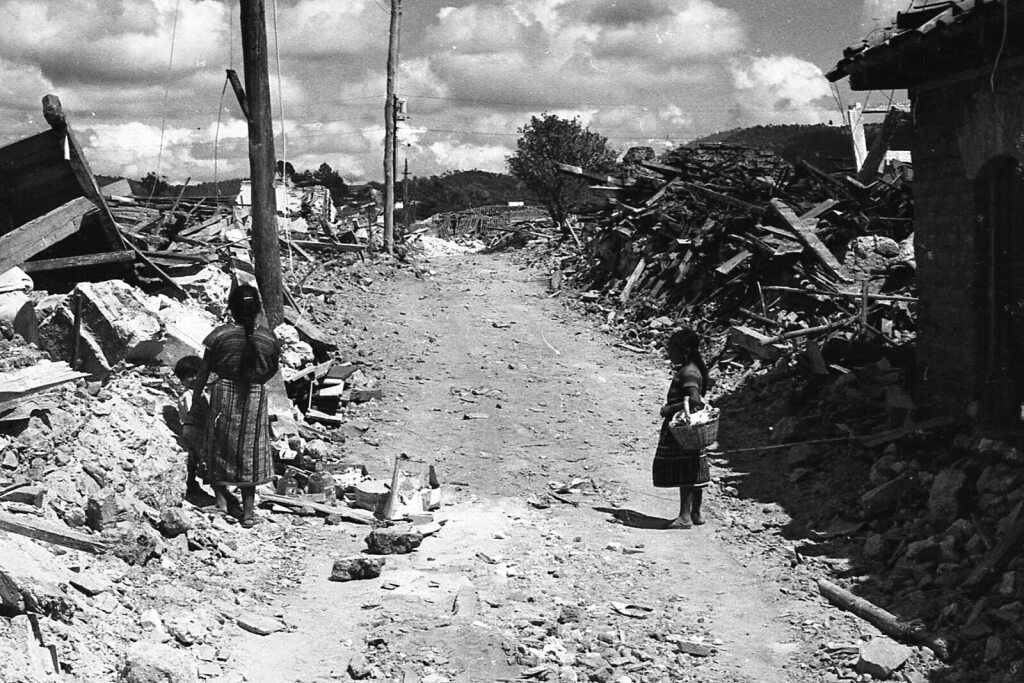

On February 4th, 1976, Guatemala was hit by a massive earthquake. The destruction was enormous; 23,000 people were killed, 75,000 were injured and over a million people were left homeless.
“I was sleeping when it started. The house collapsed on us. There were planks, roof tiles and everything. My six-year-old brother fainted. I had to use mouth-to-mouth to get all the dust out of his mouth. That’s how he survived.“
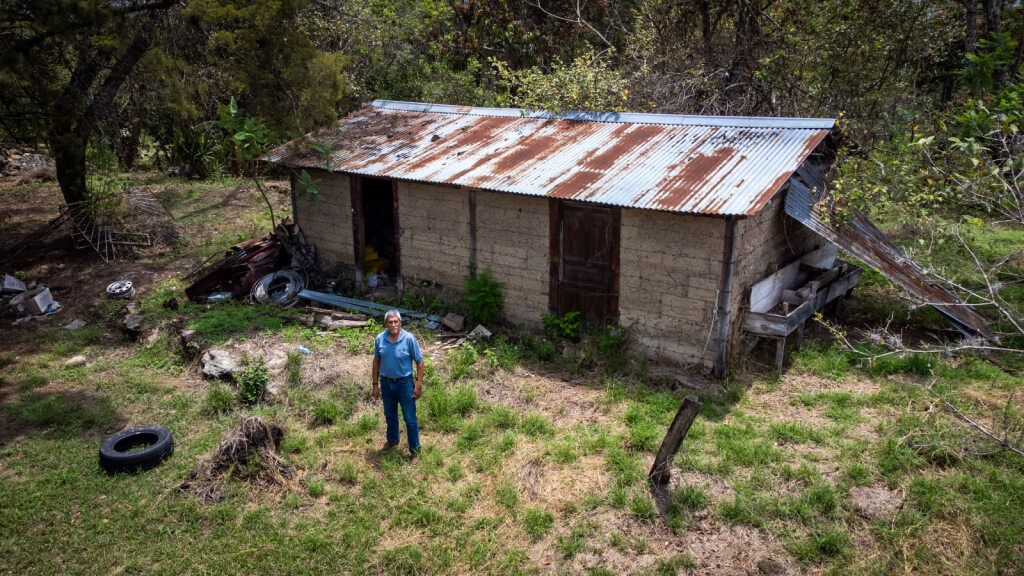
Oscar Estrada (67) was 17 when the earthquake shook Guatemala 50 years ago. He lived with his family outside a small town in the northwest of the country, in one of the areas hardest hit by the quake.
"Two of my sisters were sleeping in another bed. Thank God they weren’t hit by anything when the house collapsed. But my mother was badly injured. We had to get her out."
The family tried to take the mother to Joyabaj, the nearest town, to see if anyone could help her.
"There were no cars, no ambulances, nothing. When we got to Joyabaj, the town had been razed to the ground. Only three buildings remained; the gas station, the town hall, and the building next to it."
"I was sleeping when it started."

Shelter for 4,000 families
The earthquake in Guatemala had a magnitude of 7.5 on Richter’s scale, and the epicenter was 160 kilometers northeast of the capital, Guatemala City. The destruction was enormous, and overnight more than one million people were left homeless, of a population of six million.
The day ended in tragedy for Oscar and his family.
"My mother didn’t die right away, but later that day. I was still a child and very close to my mother. It was absolutely terrible."
Soon after the tragedy unfolded, international staff from several members of Save the Children began to arrive in Guatemala. It would become their very first, joint mission.
Together, the seven members – SC UK, US, Canada, Austria, Denmark, Sweden and Norway – were to create the reconstruction programme Alianza para el Desarrollo Juvenil Comunitario (Alliance for Youth Community Development) under the coordination of the Norwegians and in agreement with the National Reconstruction Committee of Guatemala.
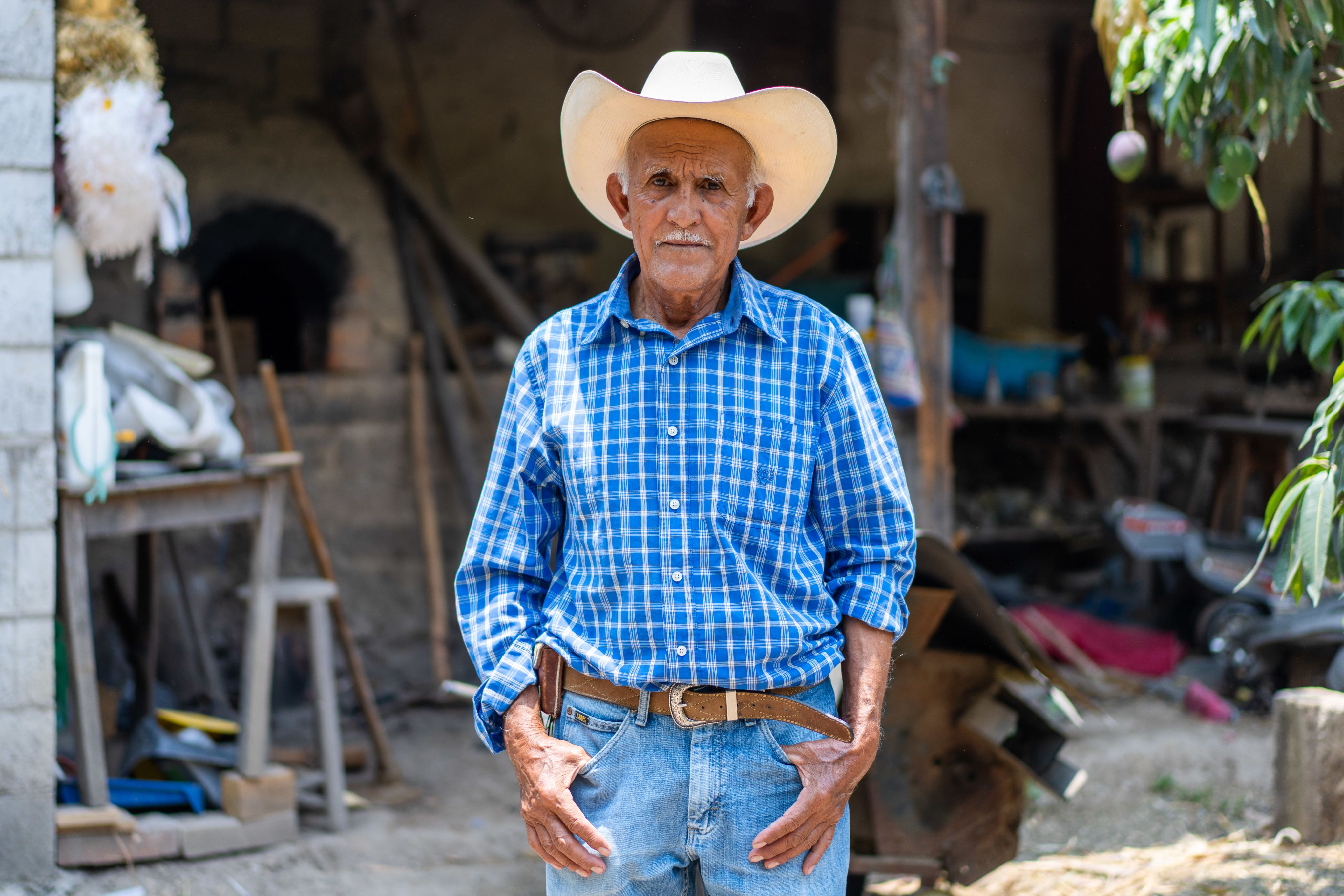
Oscar Estrada's neighbor, Virgilio Urizar (77), was one of many locals hired by Save the Children to assist in the relief work.
"For us it was important. And it wasn’t just us, there were many others who also received help. Save the Children didn’t come and do everything for us, but they helped us get started. They gave us a push in the right direction," says Urizar.
Urizar and his family were themselves hit badly by the earthquake. He says relief from Save the Children had a great impact on the local communities long after the reconstruction was complete.
By June, five months later, 4,000 families had received 35,000 corrugated roof sheets for new homes, according to newspaper reports from 1976.
What began as a humanitarian response to the earthquake would continue for decades with a child rights approach to community development and the strengthening of national institutions, policies and practices for child rights.
"We said that we would give them building materials and training so that they could rebuild their houses in an earthquake-proof way."

A country in deep crisis
Guatemala was a country in deep crisis long before the earthquake. A terrible armed conflict between the government and peoples' opposition had raged for years, and it would last until the peace agreement was signed in 1996.
During these 36 years, 200,000 people were killed or forcibly disapeared. The government forces committed crimes – later officially recognized as genocide – against the indigenous Mayan population and other groups in society.
Among other things, the war was based on deep social and economic inequalities in the country. A small percentage of the population owned most of the arable land, and 80 percent lived in poverty.
It quickly became clear that the marginalized and indigenous populations had other priorities in addition to shelter and the reconstruction of houses.

1 million people lost their homes
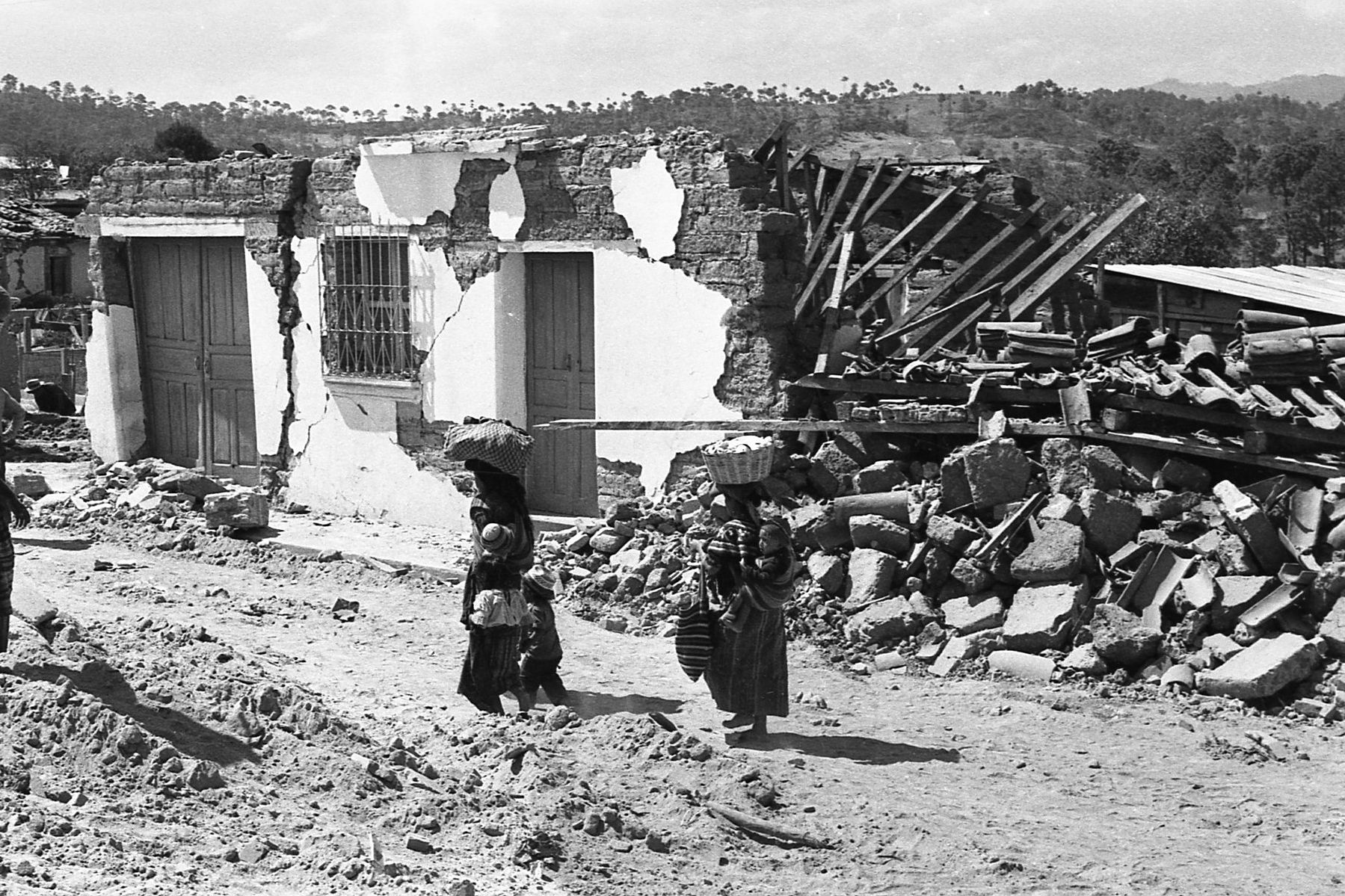
More than 200,000 homes were damaged or fully destroyed during the earthquake in 1976. Indigenous Quiche people who were mainly affected did not wish to receive alms, so it was agreed that they pay approx USD 2,50 for each sheet of corrugated metal. People who were sick, handicapped or widowed received the materials for free.

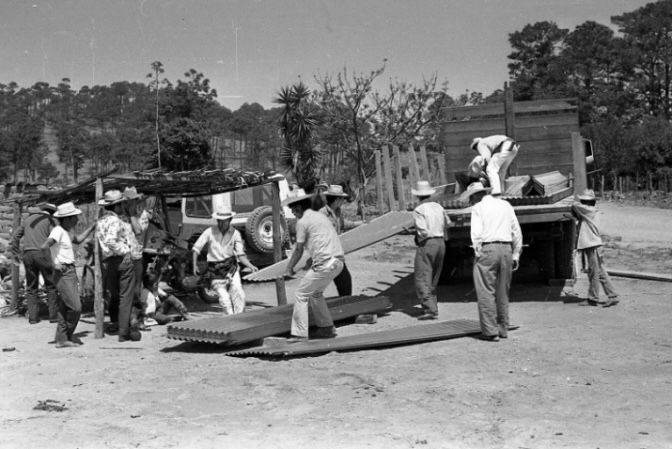
4,000 homes were rebuilt
In each village, a committee was formed to take decisions on how the building materials were to be disseminated within the community, and how much time each family should be given to downpay for the goods. It was important to rebuild before the rainy season came.

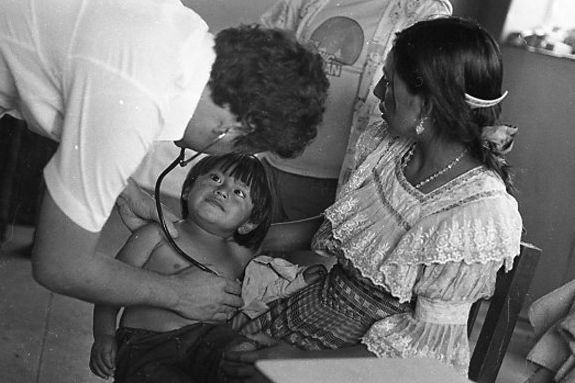
Focus on long-term development
SC members present at the time all agreed that the focus needed to be on long-term development. SC UK funded and ran the health component of the project. Other activities supported by Alliance members were agriculture and gardening, teacher training, reconstruction, community organization, potable water, partipation of women in community activities and others.
The best way to help the children
A Save the Children veteran who remembers these years well is Tom Lent, who arrived in Guatemala for SC US. He later switched to SC Norway in order to lead the members' combined efforts in the aftermath of the earthquake.
The Norwegians took the lead because they were considered the most "neutral member" by the authorities.
They were also the only ones who could pronounce correctly the Guatemalan President's name at the time, Kjell Laugerud, who despite being a Guatemalan politician and officer had a father from Norway...
"We worked through genocide, civil war, kidnappings, political assassinations, coup d’état’s, extreme poverty, displacement, seasonal migration, etc., and all the while trying to keep seven Save the Children members engaged and informed," says Tom Lent today.
"The refrain was something like the best way to help a child is to help the family, and the best way to help the family is to help the community, and the best way to help the community is to work on priorities as they themselves see them," he says.
"Much of what we did was to support the organization of communities around their interests, priorities, and realities. Nothing was imposed or presupposed. Save the Children therefore began a long-term and comprehensive effort to give the children in Guatemala a better life."
Poverty was the killer
Hans Christian Bugge, SC Norway's CEO at the time, later said:
"A number of Save the Children organisations came in to provide assistance, and it soon became clear that it was not the earthquake itself that was the main problem in Guatemala, but rather cruel oppression and widespread poverty, which killed more children every year than those killed by the earthquake."
"From the emergency work, long-term development work naturally evolved. This took place through a joint program for all Save the Children organisations that came in, and it was first and foremost through this collaboration that we gained insight into and understanding of what we today refer to as community development projects."
"I think it is correct to say that it was through the Guatemala program that Save the Children seriously took the step to become a development organization, and not just a traditional children's charity.”
"We could really be "bottom-up""
David Collins, who had previously worked for SC UK in Bangladesh, happened to be in Guatemala during the earthquake together with two SC UK nurses. They were on their way to start a new project in Colombia.
They immediately went to Guatemala City and met with the government and other aid organizations to decide where to conduct immediate relief work.
At the time, Save the Children were known as the International Save the Children Alliance. David Collins says:
“SC UK started work on the health elements of the Alliance's response, which focused mainly on working with the government health centre to train village health promoters and midwives. This was the best way to serve the communities."
"As the integrated development approach of the project started to show results, SC UK broadened its role in the Alliance to include potable water and sanitation projects as well as some appropriate technology activities to improve living conditions."
"The fact that we were in the Alliance brought out the best in each of our approaches. Since leadership and guidance was diluted from the seven countries, no one country home office could impose their will, development methodology, "their truth". We could really be "bottom up," recalls Tom Lent.
"We had a women's program before gender was popular or commonplace and we had children and youth participation before that became popular," he says.
“SC UK started work on the health elements of the Alliance's response, which focused mainly on working with the government health centre to train village health promoters and midwives."

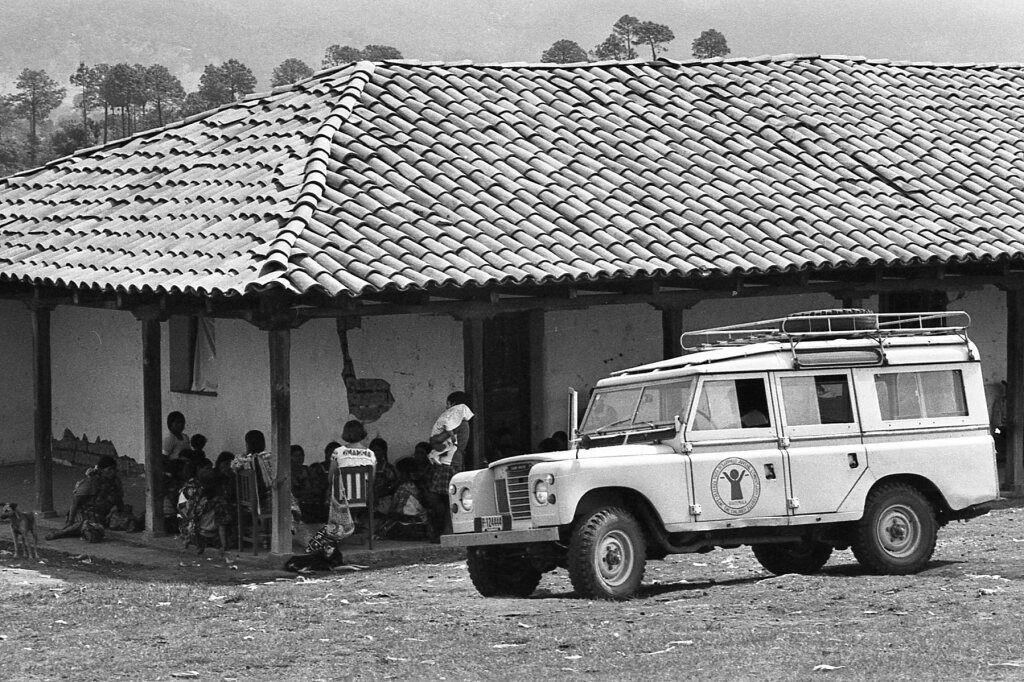
Became know as a "project of reference"
"At the time of the earthquake and reconstruction, and because of the displacement and emergency conditions of the civil war, we successfully negotiated with USAID in the first instance, and the Norwegian Foreign Ministry, in the latter, to let us do this in way that addressed long term issues and community processes and were not donor driven," says Tom Lent.
"We became known as a "project of reference" and even received unsolicited donations from other international donor organizations because of our reputation of and respect for local and indigenous populations."
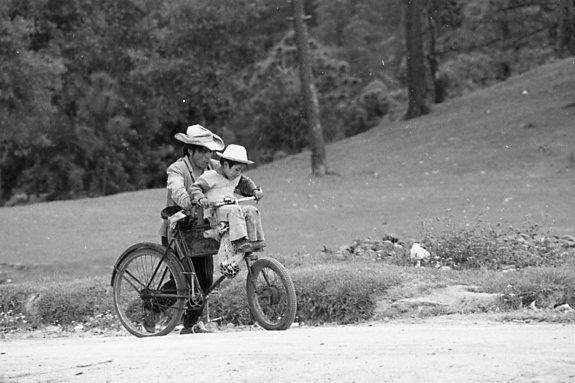
"We did not hire Guatemala City professionals to coordinate our local projects in five different regions of the country. We hired people from the regions and were the first to hire Maya Quiche staff to lead the projects in a Maya Quiche region," Lent continues.
"We had a 5-7 year process of entering, building up, and withdrawing from an area so as not to create dependencies and to build a self sustaining community based on integrated rural process. We did all of this in a context of reconstruction and devastation, and then later political violence, repression, and genocide and armed conflict/civil war."


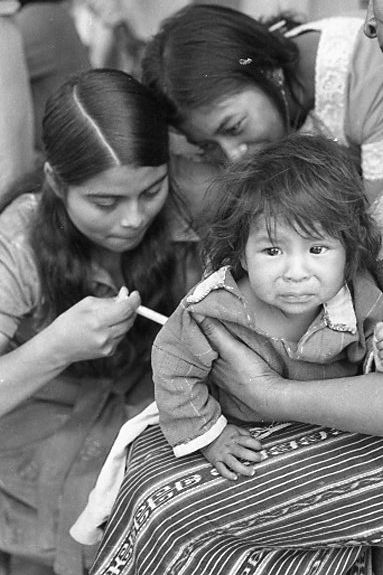

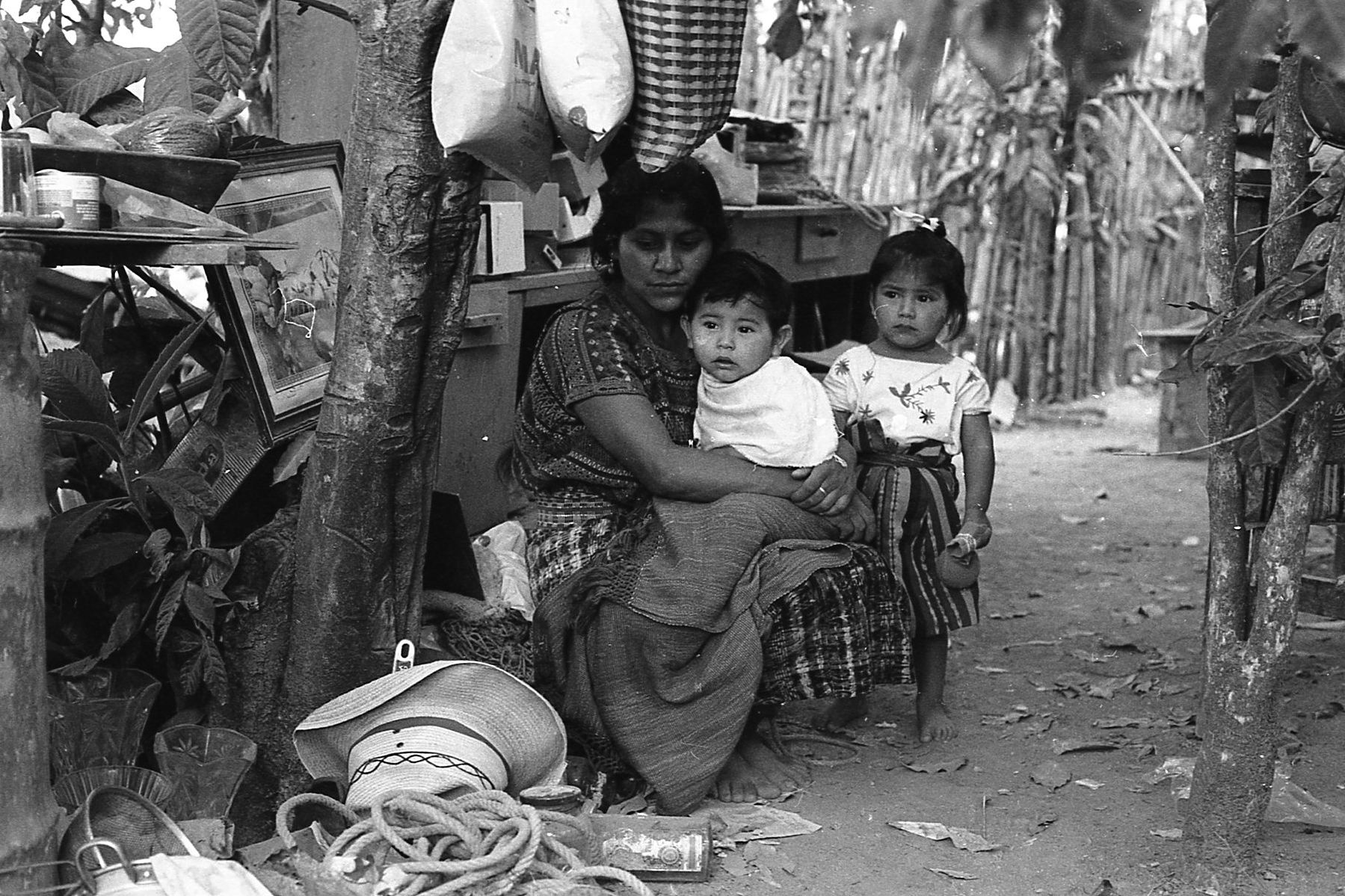
Meeting in Oslo in October, 1976
Exactly how and when the International Save the Children Alliance was established is difficult to say, as sources differ. Members began meeting in the early to mid 1970's, according to Tom Lent. However, the earliest use of this name in Norwegian media was in June, 1976, months after the earthquake.
At the time, the seven members were running around 100 international projects with a total funding of USD 50 million (equivalent to approx. USD 280 million today), according to contemporary newspaper reports.
However, none of these had been in collaboration. What is clear is that the Guatemalan earthquake brought the members together and cooperating on a joint international mission for the very first time.
It is also clear that at a meeting in Oslo in October, 1976, the seven members established a rapid response group ready to respond to the next humanitarian or natural catastrophe.
At a press conference, the Norwegian chair Arne Bonde stated that the goal was to start a "project bank" consisting of 1,000 experts and know-how within health, reconstruction, agriculture, fisheries etc, information that could be "shared by computers".

Save the Children Guatemala
Rubelci Alvarado was 10 years old when the earthquake hit his country. Today, he is a project manager for Save the Children in Guatemala and knows the history of the organization inside out.

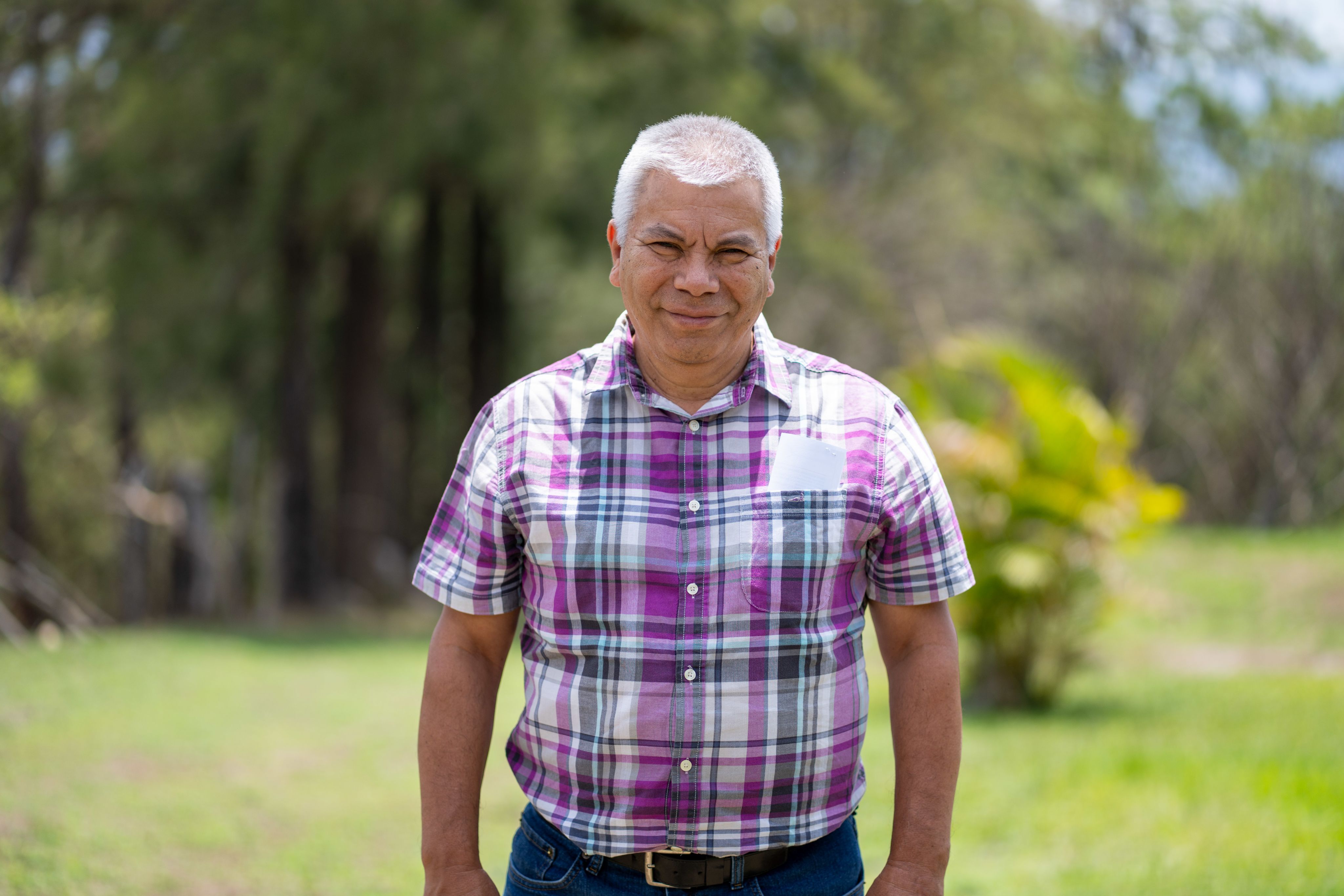
He says that leaving the country was never an option for Save the Children after the initial emergency response had ended. There were so many children living in deep poverty and who needed someone to work for their rights and living conditions.
Watch this video to see how Save the Children in Guatemala has improved children's rights for 50 years.
"It was important to take measures that could strengthen local communities, so that they could handle the challenges themselves and achieve better living conditions," he says.
In 1983, Save the Children Guatemala was established. It was then known as Alianza (Alianza para el Desarrollo Juvenil Comunitario), or ADEJUC (for its initials in Spanish). A Guatemalan board was set up and the proceedings for acquiring legal status as an association were completed in November 1983.
New laws protecting children
50 years on the from the earthquake, challenges are still huge. However, thanks to powerful advocacy, laws have come to force that safeguard children's rights, including the law that prohibits child marriage for both girls and boys.
“It was very important that Save the Children participated in the advocacy work to change this, and it is a fundamental change in society. We are also proud that Guatemala recently introduced a law that ensures all school children at least one meal a day in public schools. Children learn more when they have food in their stomachs,” says Alvarado, adding:
“We have worked hard, and there is no doubt that Save the Children's work has been crucial for these changes."
The law could have a major impact on the health of children in the country.
"There are very, very many children who are chronically malnourished in Guatemala. This applies to around 50 percent of all children," says Alvarado.
– I want to become a nurse or a doctor to help sick people.

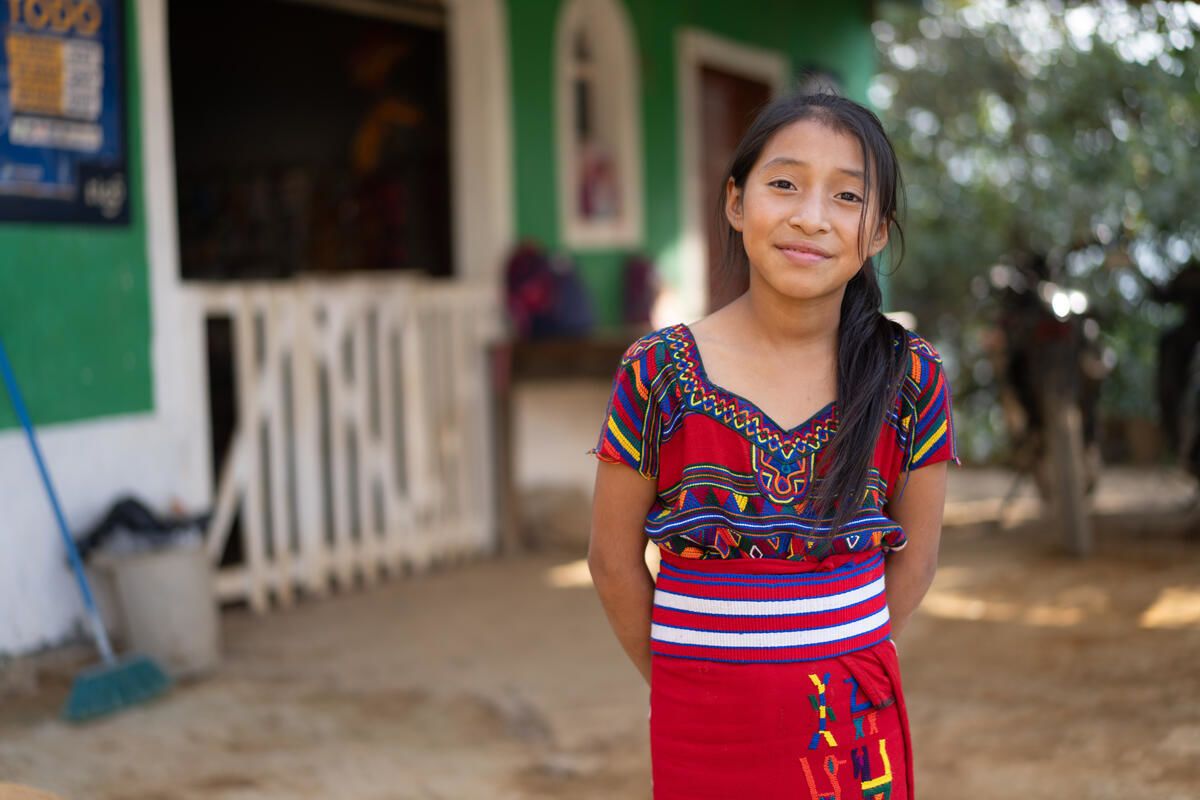
The school in the mountain village
Tereza (12) lives in a mountain village in the Quiché region, which is located in the northwest of the country. She belongs to the indigenous Ixil people, who are part of the Mayan culture in the country.
At school, Tereza and the other students receive instruction in both the Ixil language and Spanish, which is the official language of Guatemala.
“I like going to school. Math is my favorite subject,” says Tereza.
The school is supported by Save the Children, which runs an education program with the partner organization APPEDIBIMI. Through the program, teachers receive training in how to get the children more active in class and help them thrive and learn.
Watch this video about Tereza and her life in the village.
Here, learning materials are in Spanish and Ixil, which is the mother tongue of many of the students at the school. The teachers say that they have noticed a big difference in the students after the education program started, and that the children are now much more active and open in class.
The program also involves close cooperation with the students’ parents. Tereza’s father, Tómas, is happy that his daughter thrives at school, and he believes that she will do well in life.
"I think Tereza will get a good job when she grows up. I don’t know what, but she is a person who wants to get ahead in life," says Tómas.
Tereza already has her plans ready.
"I want to become a nurse or a doctor to help sick people."
"I dream of traveling to many places in the world," says Tereza.
Author's note: Knowing Save the Children's history brings a better understanding of how and why we do the things we do today. I am based in Oslo and Redd Barna (SC Norway - established in 1946) was around and played it's part in the story mentioned above. However, I am sure others have information to share too on this period of our movement. What I am most curious about is how the International Save the Children Alliance formally came to life, some time back in the 1970's. Internet sources are not reliable and I haven't been able to access relevant archives. Please let me know if you can add to this story. philip.crabtree@reddbarna.no.
 Built with Shorthand